Achieving Excellence in Collision Repair: Pro Tips for a Flawless Outcome
Achieving excellence in collision repair requires a precise balance of techniques, tools, and safety measures. From choosing the proper hammers to perfecting paint matching, every step plays a vital role in delivering a perfect result. Professionals understand that preparation and attention to detail can make or break the outcome. Still, numerous technicians ignore widespread errors that can diminish the quality of their repairs. Understanding these nuances can transform the repair process related article and elevate results beyond expectations. What makes the difference?
Finding the Right Equipment for Collision Repair
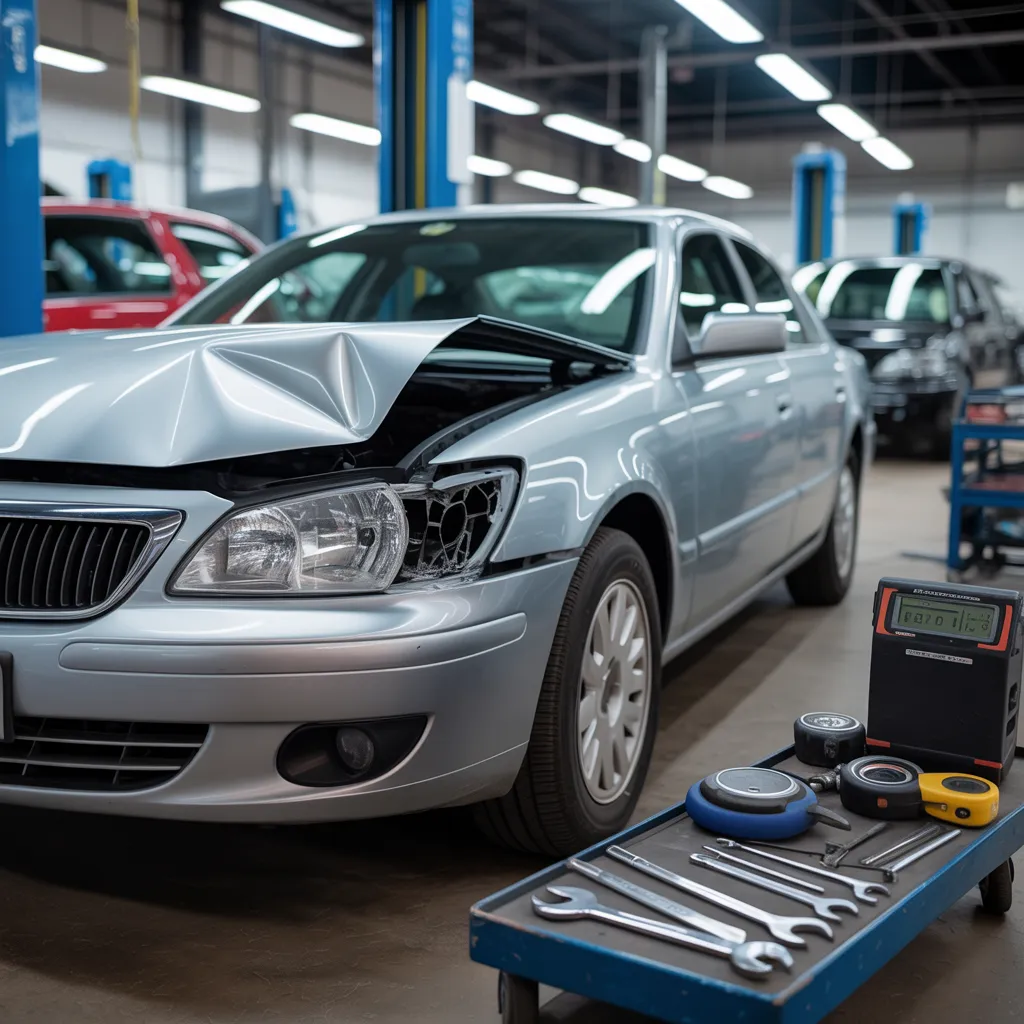
When choosing tools for auto body repair, auto body specialists must evaluate both quality and functionality to achieve optimal results. The right tools not only enhance efficiency but also ensure exactness in repairs. Critical equipment include hammers, dollies, and pullers, which are vital for restoring damaged body panels. Moreover, pneumatic tools can substantially improve workflows, making tasks like sanding and grinding more efficient.
Adhesives and sealants are essential in ensuring a long-lasting result, while measuring instruments provide exactness in alignment and fit. Safety equipment, such as gloves and goggles, is equally important to safeguard technicians while performing repairs. Using premium-quality tools minimizes the chance of vehicle damage and boosts the overall result of the repair work. By strategically choosing suitable tools, technicians can successfully return vehicles to their prior state, supporting both visual appeal and safety.
Body Repair Methods: A Comprehensive Step-by-Step Guide
In the domain of collision repair, comprehending body repair methods is essential for achieving the best results. This article details essential tools needed, the necessary steps for surface preparation, and effective painting techniques. By developing expertise in these areas, professionals can ensure a superior finish and bring vehicles back to their factory condition.
Required Essential Tools
A properly outfitted workshop is critical for efficient collision repair, as the right tools can greatly elevate the quality of the work. Key tools include a premium hydraulic jack for raising vehicles, providing easy access to affected areas. A range of hand tools, such as wrenches, pliers, and screwdrivers, are necessary for disassembling components. Furthermore, a pneumatic sander is necessary for refining surfaces, while a body hammer and dolly set are essential for reforming metal panels. A paint gun is necessary for laying down finishes, paired with a high-grade respirator for safety. Lastly, a dependable workbench offers a stable surface for repairs and assembly. Securing these tools sets the stage for successful collision repair.
Surface Preparation Steps
Properly preparing the surface is critical for attaining an impeccable finish in collision repair. The primary step involves thorough cleaning to remove dirt, grease, and contaminants that could compromise adhesion. Subsequently, any damaged areas must be carefully sanded to create a smooth, even surface. This frequently necessitates using a mixture of coarse and fine grit sandpaper. After sanding, it's imperative to remove dust and debris, typically with a dry cloth or compressed air. For severe scratches or dents, body filler should be used, followed by further sanding to ensure a seamless transition. Finally, a appropriate primer should be used to promote paint adhesion and protect the repair. This careful process creates the basis for a professional paint job.
Understanding Painting Techniques
Mastering the art of paint application methods is vital for achieving a professional finish in vehicle restoration. Several techniques are available, each suited for unique circumstances and goals. Spray painting remains the most common method, allowing for consistent application and rapid curing. Approaches including cross-coat application ensure uniform coverage, while the use of a series of fine layers minimizes the risk of drips and runs. Additionally, the choice of paint formula, including solvent-based or waterborne options, can impact both finish quality and eco-friendly requirements. A controlled environment, including proper ventilation and temperature, is essential for superior paint adhesion and results. Lastly, careful examination post-application confirms any imperfections can be corrected promptly, contributing to a flawless final product.
Collision Repair: Basics of Paint Matching
When tackling vehicle collision restoration, obtaining a perfect paint match is essential for preserving the car's aesthetic and market value. The approach commences with identifying the vehicle's original color code, usually located on a sticker in the door jamb or beneath the hood. This code provides a baseline for selecting the right paint formula.
Additionally, specialists often use spectrophotometers to examine the existing paint surface and guarantee an accurate match. This equipment detects the color's nuances, considering aspects including environmental wear and color fading. Once the ideal paint match is determined, it is critical to test it on a limited, unnoticeable area before proceeding with full coverage.
Blending techniques also serve a critical function in producing a flawless finish. By feathering the edges and employing diverse spray patterns, technicians can reduce the appearance of the repair. Ultimately, a precise approach to paint color matching not only elevates aesthetics but also supports the car's lasting value.
Important Safety Tips for Collision Repair
In auto body repair, prioritizing safety is critical to maintaining a safe work environment. Essential practices involve employing suitable personal safety equipment, keeping a well-organized work area, and adhering to strict hazardous materials protocols. Implementing these safety tips can significantly minimize the hazards related to the repair process.
Appropriate Personal Protective Equipment
A comprehensive knowledge of the right personal protective equipment (PPE) is vital for anyone involved in collision repair. This equipment safeguards against various hazards present in the repair environment. Essential components consist of safety glasses designed to guard the eyes against flying particles, hand protection to reduce skin exposure to harmful substances and sharp edges, and breathing masks that remove dangerous fumes and dust particles. Additionally, sturdy work suits guard against paint overspray and other workplace contaminants. Steel-toed boots are essential for foot protection against heavy equipment. Consistent instruction on proper PPE use helps workers maintain awareness of potential dangers and compliance requirements. By placing importance on appropriate PPE, technicians can greatly reduce the likelihood of injuries and enhance overall workplace safety.
Safe Work Area Organization
Proper personal protective equipment lays the foundation for a safe work environment, but the organization of the workspace plays an equally important role in minimizing risks. An uncluttered workspace enables technicians to move without obstruction, lowering the likelihood of trips and falls. Tools should be stored in designated locations, ensuring easy access and preventing misplaced items that could cause accidents. Work surfaces must be kept clear of debris and flammable materials, while proper lighting enhances visibility, further promoting safety. Furthermore, signs marking dangerous zones or necessary equipment can act as useful reminders. By prioritizing an organized workspace, collision repair professionals not only improve efficiency but also create a safer environment for themselves and their colleagues.
Hazardous Materials Processing Procedures
Handling hazardous materials requires strict adherence to established procedures to ensure the well-being of technicians and the work environment. Proper training is vital; technicians should be thoroughly familiar in Material Safety Data Sheets (MSDS) to comprehend the risks associated with each substance. Personal protective equipment (PPE) such as gloves, goggles, and respirators need to be utilized at all times when dealing with chemicals. Ventilation is essential; workspaces should be equipped with adequate exhaust systems to mitigate inhalation risks. Spill containment kits should be readily available and staff instructed in their use. Regular evaluations of hazardous materials storage areas maintain compliance and safety. By following these procedures, collision repair technicians can greatly reduce the risk of accidents and establish a safer working environment.
Common Collision Repair Mistakes You Should Avoid
Steering through the nuances of collision repair demands an recognition of common pitfalls that can diminish the integrity of the work. A frequent error is neglecting proper surface preparation, which can lead to poor attachment of paint and coatings. Failing to adequately clean, sand, and prime surfaces may cause inconsistent results or paint deterioration.
Another common error involves the use of improper materials. It is essential for technicians to confirm they are using the correct filler, paint, and clear coat suitable for the vehicle's specifications. Incorrectly estimating drying times can prove harmful; hastening the process can lead to defects like runs or fish eyes.
In addition, a lack of attention to detail during the alignment and assembly process can lead to improperly fitting components. Ensuring that all components are aligned correctly not only enhances aesthetics but also provides a safety assurance. Eliminating these pitfalls is crucial for delivering a high-quality collision repair outcome.
How to Attain a High-Quality Professional Finish
Reaching a high-quality outcome in vehicle collision restoration copyrights on careful attention to detail and adherence to best practices. Initially, surface preparation is vital; this involves sanding, cleaning, and guaranteeing the surface is free of contaminants. Applying premium paints and primers tailored for vehicle applications substantially boosts the finished look.
Additionally, the application technique must be consistent; applying spray guns at an appropriate distance and angle assists in achieving a smooth coat. Using numerous thin layers is superior to applying one thick coat, given that it significantly decreases the likelihood of runs and drips.
Following the painting process, appropriate curing is required. Allowing adequate drying time reduces defects and promotes lasting results. Lastly, buffing and polishing work to improve the surface, boosting shine and depth.
Frequently Asked Questions
How Long Does a Typical Collision Repair Take?
A common vehicle repair typically takes anywhere from a few days to several weeks, based on the severity of the damage, whether parts are readily available, and the workshop's existing commitments, while maintaining quality and precision throughout the repair process.
What Are the Typical Costs for Collision Repair?
Collision repair costs vary considerably, typically ranging from a few hundred to several thousand dollars. Variables that influence the total expense include the extent of the damage, required replacement parts, the cost of labor, and whether the car is protected by insurance or an active warranty.
Can I Perform Collision Repairs at Home?
Yes, doing auto body repairs at home is feasible, but it demands proper tools, skills, and safety precautions. Additionally, having knowledge of insurance policies and local regulations is necessary to secure conformity and steer clear of potential legal troubles.
What Steps Can I Take to Prevent Future Collisions?
To reduce the risk of future collisions, one should maintain a safe following distance, comply with posted speed limits, eliminate distractions, utilize mirrors properly, and remain aware of nearby traffic conditions, which in turn encourages better driving behavior.
What Types of Insurance Cover the Cost of Collision Repairs?
The costs of collision repair are generally covered by collision insurance, which compensates for damages that occur as a result of accidents. Moreover, comprehensive insurance may cover non-collision incidents, guaranteeing more extensive coverage for vehicle repairs and related costs.